

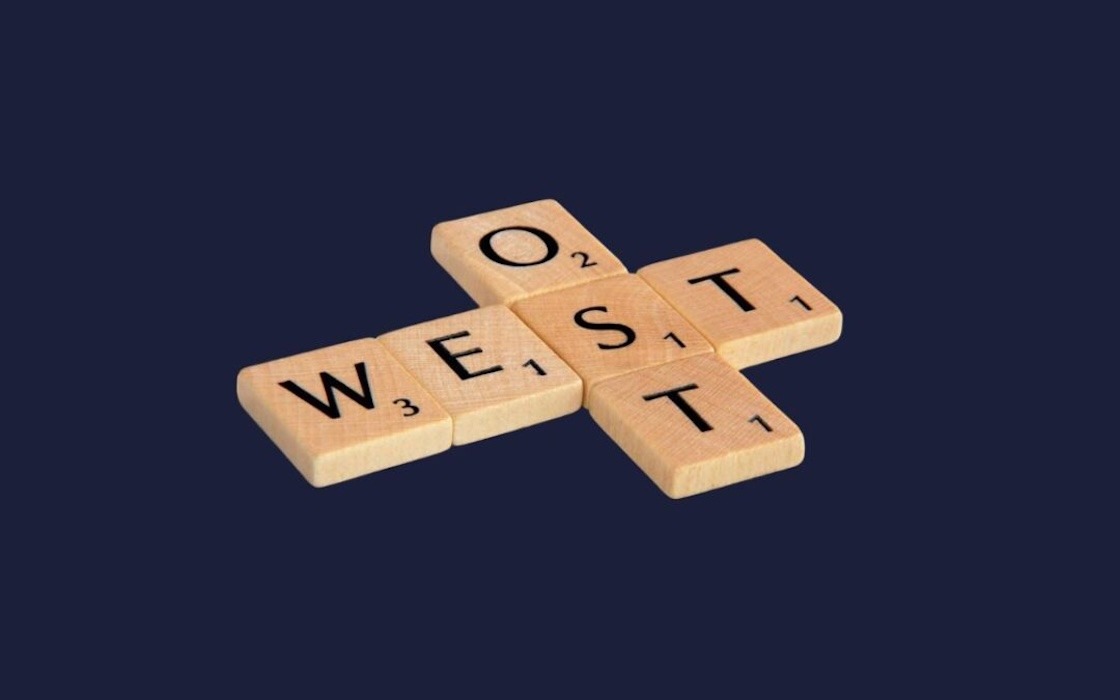
The introductory round already gave a hint that this would be a special evening. A small, select group of six people had gathered for the SOCIUS labor live event, followed by a get-together by the open fire, to explore where and how the topic of East-West still occupies us in our organisations today.
When collecting the questions that participants brought with them on the topic, there were no usual platitudes, but rather an immediate foray into the depths of personal stories, hurts and fundamental conflicts.
- „How can I deal with the pain?“
- „What would have happened if we had spoken different languages?“
- „Why are reconciliation processes that took place on equal terms not being talked about?“
- „Has it changed anything in the Western system that has adopted it?“
- „How and where can we (finally?) (once again?) truly meet, connect and perhaps understand each other better?“
If we had wondered whether the topic was still relevant 35 years after reunification, we were immediately proven wrong. It was not the intention, nor did it seem necessary, to share personal stories with each other as a starting point for the exchange. It was like a silent agreement and mutual understanding: of course there are painful experiences, the scars of loss, uprooting and devaluation. And shoulder to shoulder with these are experiences of freedom, happiness and unprecedented opportunities.
We quickly came to the conclusion that biographical influences in East and West are still omnipresent and shape our interactions in our private lives and at work. Even in 2024, there is still a tendency to think we are detecting stereotypical behaviour and then hastily pigeonholing people as Ossis or Wessis. We encountered biographical influences across all age groups, which led us to ask whether these are partly reproduced within families or whether there is such a thing as inherited identities. The categorisation that still occurs in some cases (albeit sometimes rather subconsciously) when meeting new people, „Is she/he from the East or the West?“, was certainly a familiar and still observable phenomenon. One conclusion of our discussion was that the perceived differences – whether exaggerated by stereotyping or not – often lead to uncertainties in dealing with different biographical influences in one's own perception.
According to the participants, the initially neutral naming of differences was reflected in experiences of stereotypical attributions to East German identities on the one hand, and experiences of loss, neglect, denigration, inequality of opportunity and discrimination on the other. However, hurt feelings were evident on both sides – without any attempt to weigh up the experiences of one side against those of the other. Experiences of othering named by individuals in clearly different German socialised-dominated settings. The main reason for this was the perceived failure of efforts to achieve genuine encounter, understanding and, ultimately, belonging.
Painful biographical experiences and anger about social inequalities were counterbalanced by a sense of personal and social speechlessness. The room was filled with the sentiment of not wanting to join in an „Olympics of being affected by discrimination,“ which can lead to a tendency to classify personal trigger points as not „appropriate enough“ to really make being East German an issue.
The big question that was raised was: How do the experiences of the last 30 years prevent us from interacting with each other without reservation? What does genuine interaction on equal terms look like?
On the one hand, we identified the ability to articulate the injuries experienced as a key prerequisite, without conforming to the stereotypical image of the „whining Ossi“. On the other hand, however, a deep need was also expressed for political and social contexts to adequately articulate recognition and regret for the experiences of devaluation and discrimination suffered by many East Germans. A symbolic act with broad appeal could contribute to healing old wounds in this regard.

What conclusions did the in-depth discussion at the end of the evening lead us to?
The most fundamental insight was that we are all human beings with different histories. We need to be constantly aware of this, we need curiosity to understand and courage to find the words to express it. In order to engage in open dialogue, it is necessary to recognise that we are not all on an equal footing. This is because, both in society as a whole and in direct interpersonal contact, it is becoming increasingly difficult for the more privileged (those with higher incomes, those who have inherited wealth, people in top positions, those of higher rank, etc.) to perceive the extent of social inequality. But lower income groups also have a distorted perception of higher-earning professional groups (see: Christoph Butterwege, Aus Politik und Zeitgeschichte: Ungleichheit in der Klassengesellschaft, 37-38, 2022. See also Nicola Kriesel's blog post on criticism of powerPerhaps something like „Critical West-ness“ would be needed at some point in the future? Or at least the integration of East German identity into the diversity categories (it could be argued that it belongs to the diversity category of ethnic origin and nationality, if there were recognition of the fact that East Germans also have a migration experience without changing location). In order to make interpersonal conversations, reflection and exchange in teams or even political debates fruitful, what is needed above all is a willingness to be more nuanced – to be able to navigate the ambivalence of different feelings and situations. „We must learn again to ask many more questions without already believing we know the answer,“ was one personal conclusion.
And the sobering conclusion at the end was: What we have touched upon today is of the utmost political relevance and is an integral part of the major debates!
 Deutsch
  English (UK)