
oe-tag 2019 - Emotional transformation. Feelings@work
Emotions as energy - emotions as art - emotions as sounds - emotions as rhythm and waves - emotions as stories that we tell ourselves. This year's oe-tag chose different approaches to tackle a topic that is very close to us and yet often difficult to grasp: emotions are part of our being, even in the world of work. Emotions influence us every day and are part of our experience, sometimes empowering us and sometimes inhibiting us. How can we deal with them more consciously, what skills can we learn and what can we do to better understand our feelings and therefore ourselves?
In the traditional world of work, emotions hardly play a role - they are mainly dealt with for instrumental reasons. Be it to influence purchasing decisions or to motivate employees. Otherwise, they should get in the way as little as possible in a rationally organised value creation process. The oe-tag 2019 shed light on the role of emotions in a new world of work in which organisations should become places that empower people, where people can contribute with their entire personality and, in the best case scenario, navigate better together through the complex challenges of our time.
Nicola Kriesel and Christa Cocciole opened the oe-day with movement to music that invited everyone to embody themselves in the room. Ralph Piotrowski's keynote speech described why the conscious handling of emotions is becoming increasingly important in a new world of work, how our emotional rucksack gets in the way and what approaches exist to address emotions in organisational development. Interactive mini-lectures offered participants brief insights into the topics, which were then explored in greater depth in two-hour workshops.
Thomas Kriegbaum and Christiane Gebhard deepened this group feeling into a shared musical experience with a „TaKeTiNa espresso“. Supported by drums, singing and a shared rhythm, each person was able to explore their own desire, limits and resistance to synchronise with a larger framework and come to terms with their own successful and unsuccessful sense of rhythm.
The whole thing took place in the enchanting atmosphere of Old Smithy's Dizzle, which is a very secure place thanks to the loving care and detail-orientated design, and allows you to be in a safe setting with your own emotions.
The results of the conference and the harvesting were also captured by Robin Hotz in a large graphic facilitation picture that summarised the findings and events. The question of how we can cultivate a profitable approach to emotions in organisations and which structures are helpful in developing the necessary inner skills will continue to occupy SOCIUS after the conference and may become a new focus of our work.
Workshop overview
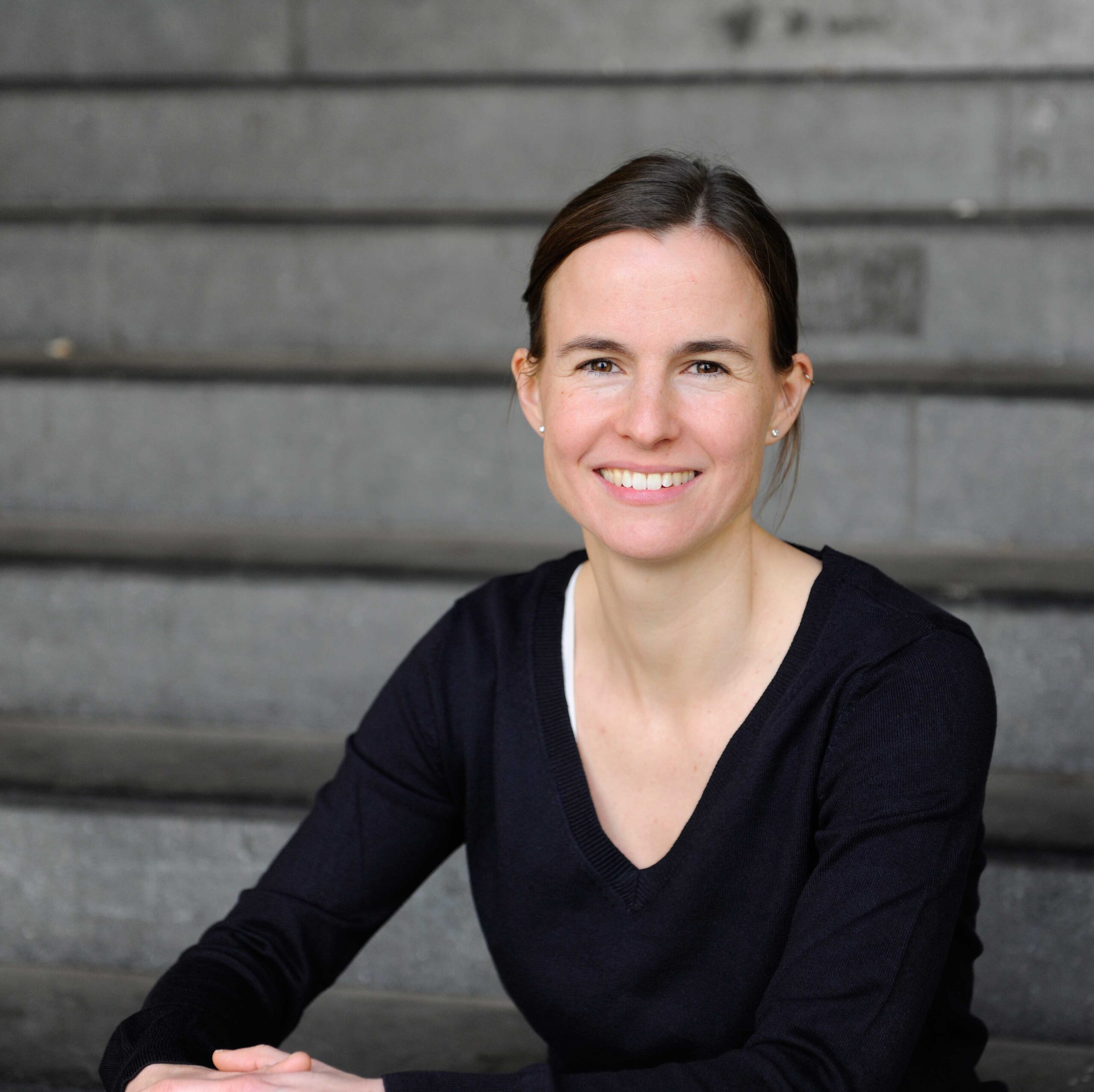
Anne Piotrowski
has experienced such a change in mental, emotional and behavioural patterns in her own life that she is deeply committed to passing on this knowledge and experience and exploring it further together. She normally does this as a qualified psychologist and Gestalt therapist in Prenzlauer Berg.
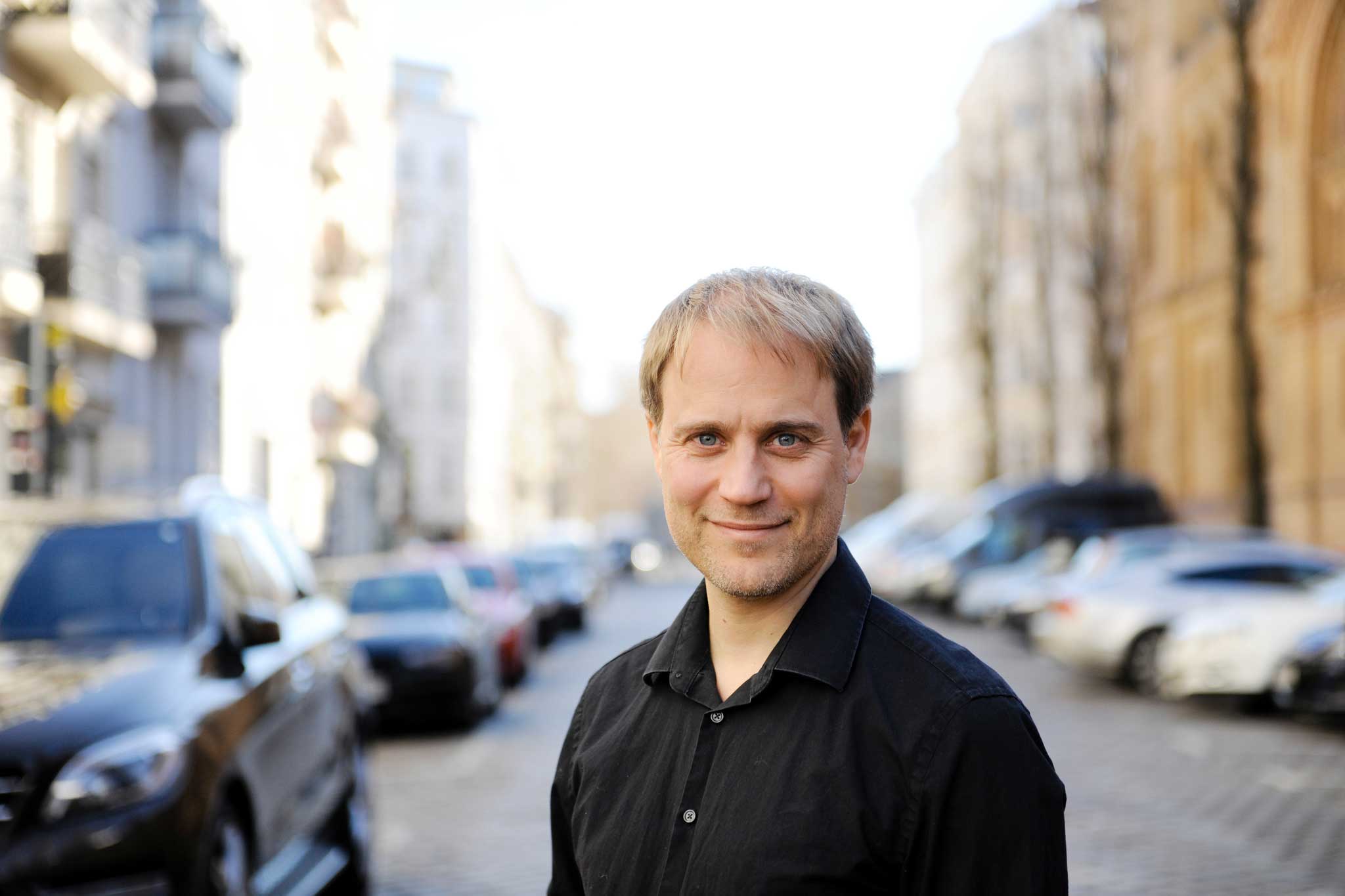
Ralph Piotrowski
works with SOCIUS to support organisations that want to become more self-effective and responsible. He led a multi-year EU research project on behavioural change and is intensively involved with emotional change processes in his work as a Couples therapist, supervisor of conflict-ridden teams and coach of managers.
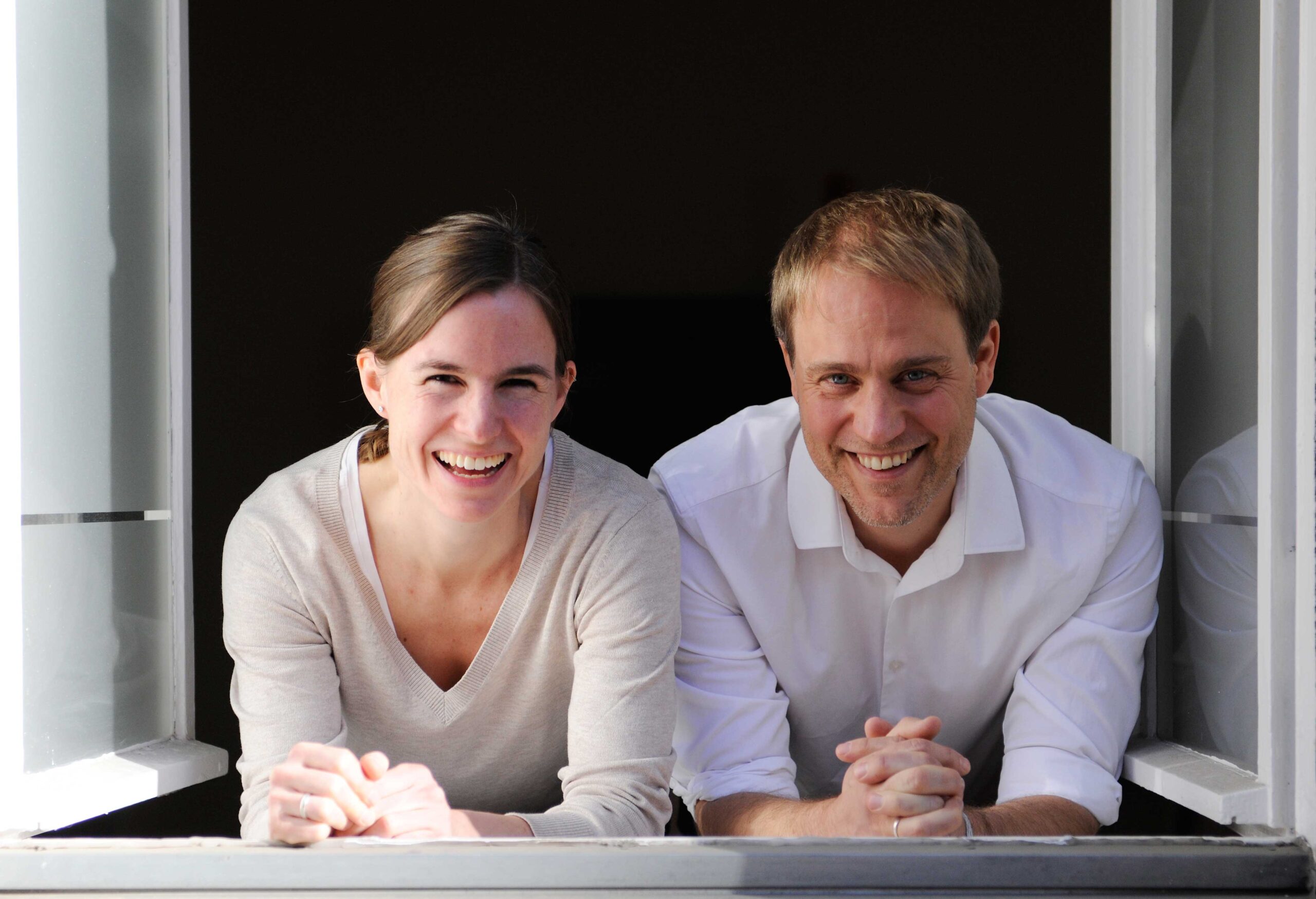
Who runs the show? Your emotions or you?
Sometimes we don't listen to our emotions enough. And sometimes too much. How can we deal with our emotions with confidence? How can we cultivate harmonious emotions and transform restrictive emotions? And what spaces, structures and practices do we need in organisations that want to promote such personal development?
In this workshop, we will explore the possibilities of emotional self-determination. We will discuss how we can stay in flow and what helps when our emotional room for manoeuvre threatens to collapse. And we will try out practical approaches that have proven promising in psychotherapy and body-orientated coaching.

Josephine Ulrich
Spent her first years of teaching and working on 4 continents before returning to Berlin, where she accompanied change processes in OU, social space development and diversity management.
Five years ago she started her first art journal - 12 months later she found herself in Shanghai as a Master's student. Since then, she has been curious to see which paths the kiss of the muse opens up for her and uses the power of creative expression for herself and in her work with groups to give the well-hidden a way into consciousness. As a consultant at fint, she brings classic companies together with artists and, as a neighbourhood manager in the cultural and creative district of https://www.warnowvalley.de/ the preservation and further development of space for creative minds in Rostock.
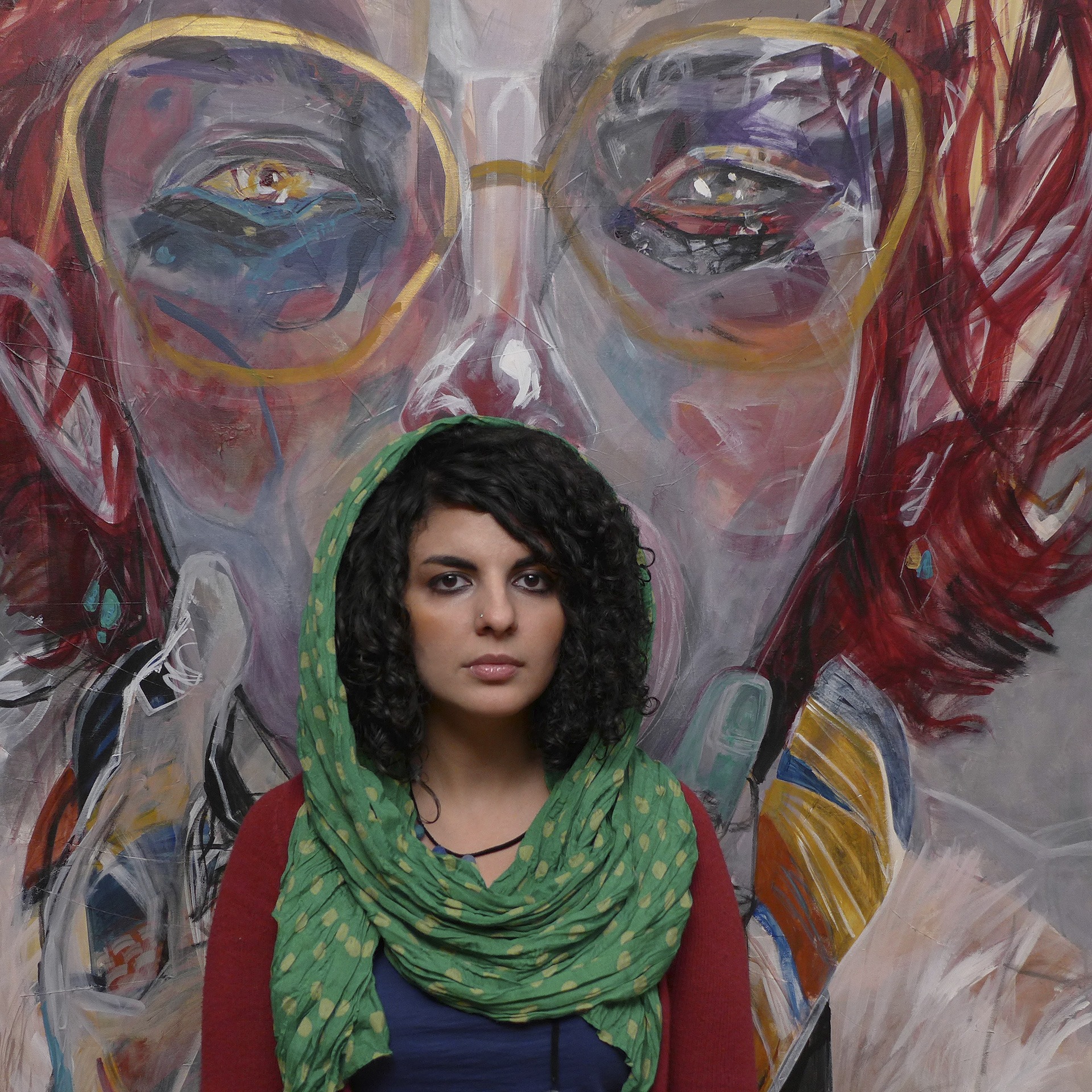
Golnar Tabib Zadeh
Golnar is a visual artist and art coach based in Berlin. She did her graduate studies in Fine Arts in Tehran. During the following fourteen years she has had multiple solo exhibitions and has participated in many group exhibitions in different parts of the world as well as Germany.
She is the founder of Art-Expression workshops. A method for using visual arts in favour of acknowledging and expressing ’self’. The method is a fruit of nine years of fieldwork and research and is currently being held in series of different programmes in Berlin and other cities.
You can find out more about Art-Expression Workshops via https://www.facebook.com/ArtExpressionWorkshops/
Art journaling or art does not lie.
Art journaling is the combination of reflective writing and free design. In this combination of cognitive processing of experiences with the relaxing effect of creative design, complicated emotions can find expression and be processed. This allows us to reduce stress, become more self-aware and literally gain a new perspective on things - and thus approach new options for action.
In this workshop we will introduce different media and experiment with them to give new expression to what moves us and to get a fresh perspective on things.
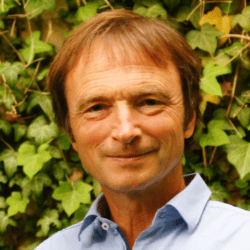
Rudi Piwko
as founder of SOCIUS Organisationsberatung gGmbH, has been supporting developments in non-profit organisations for over 20 years with a focus on longer-term processes of association development.
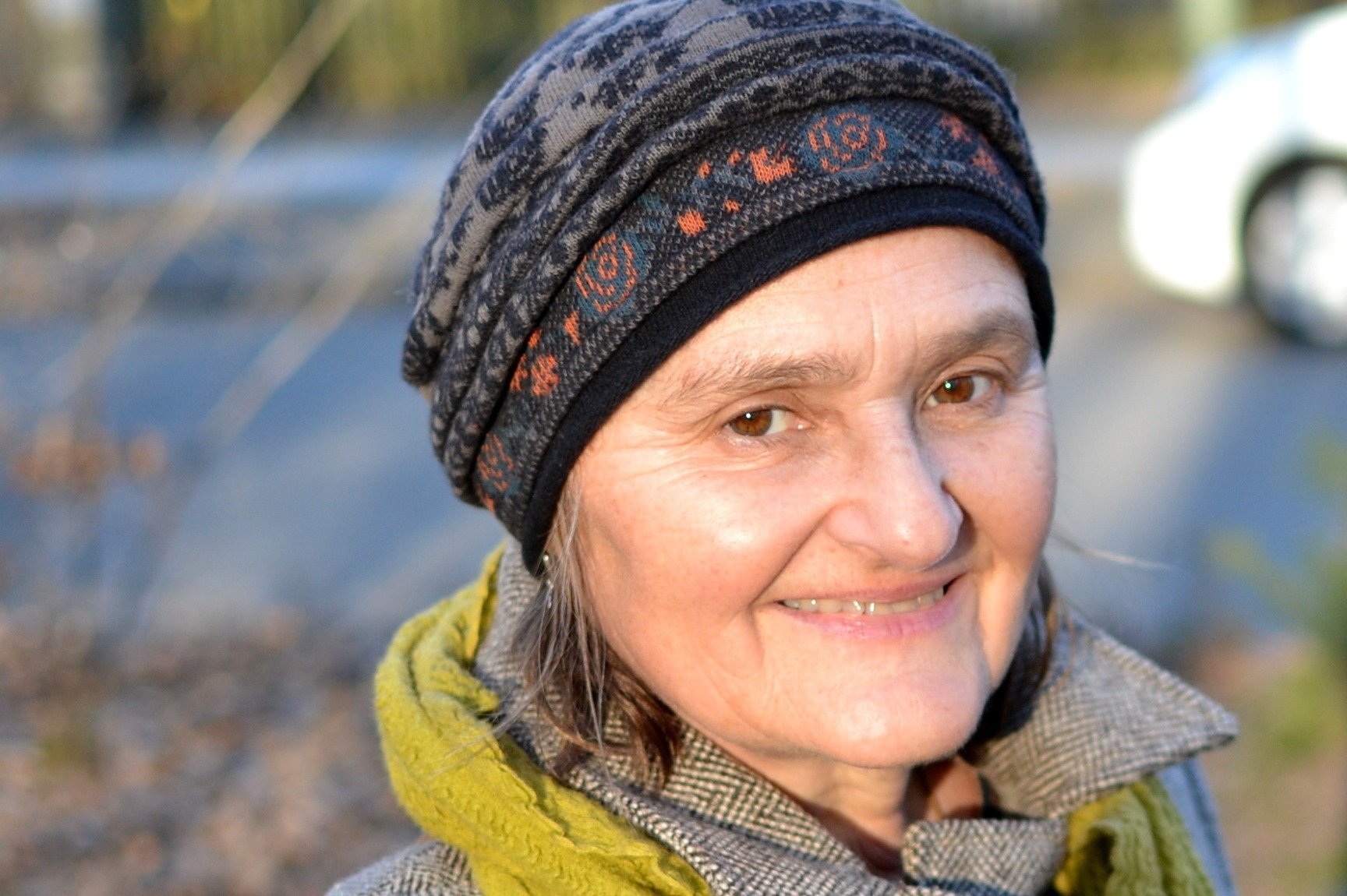
Annette Piwko-Löffler
has worked for two decades in drug counselling and addiction therapy and works as a non-medical practitioner for psychotherapy in her own practice, primarily with people with multiple disabilities and in crisis support.
Working with all senses
What promotes emotional work? In this workshop, Annette and Rudi combine two familiar approaches to making „stimulating“ events discussable for the first time in a professional co-operation:
On the one hand, the quiet, meditative and sensual-artistic work on one's own work, interspersed with subtle dialogue with one another. Smells, colours and sounds play a (major?) role here. And on the other hand, the moving dynamics of a group task in which the interplay between the individual core, team events and the overall organisational context plays a (major?) role.

Christa Cocciole (USA/D)
accompanies creative processes of self-development. She brings her skills as a dancer and choreographer to her work as a body-oriented systemic therapist specialising in trauma.
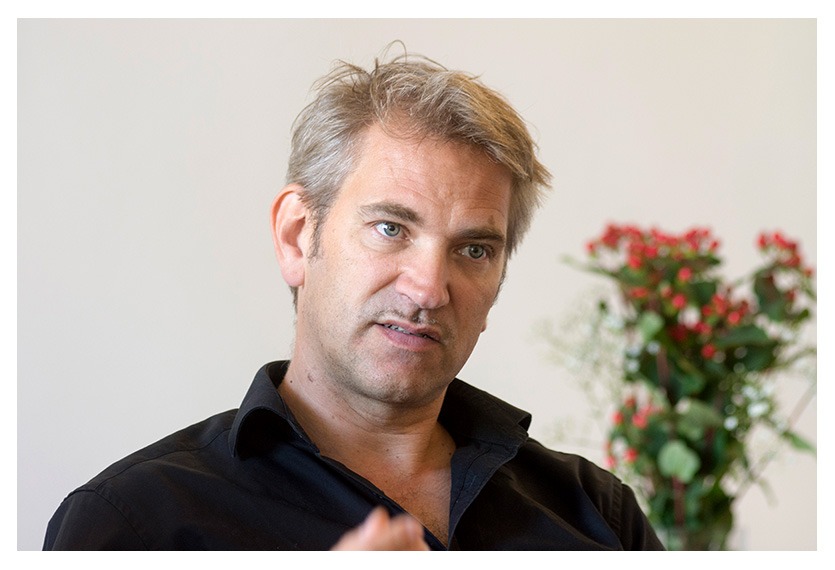
Andreas Knoth
is a psychologist and Master of Business Studies. He has been working with SOCIUS since 2002, supporting change and strategy processes in organisations and coaching managers and teams.
Inside Out - Inner transformation in change processes
Personal development is both a condition and a result of organisational development. If key players do not give up their established patterns and narratives, this can quickly become a bottleneck in processes. In this workshop, we will examine the interface between individual and structural development. What emotional landscapes do we encounter in change processes? And how can we support the willingness and ability to get involved in transformations?
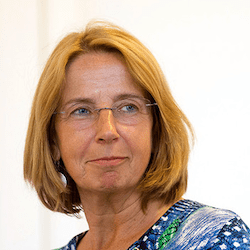
Kerstin Engelhardt
SOCIUS Organisational Consulting

Bea Schramm, Diakoniewerk Simeon
Organisational psychology / organisational development / coaching / reflection
East - West - all-German ... Or: East - West?
It has been 30 years since the wall between the two German states fell or was overcome. 30 years in which some experienced a radical break in the system with professional biographical upheavals and/or new beginnings, while others saw only gradual changes in the world of work - if at all. And for minorities and migrants, the situation was often different again.
However, such sometimes painful experiences are rarely discussed, especially in the context of gainful employment. Judgements, prejudices and stereotypes often subliminally determine how we interact with each other. Formative experiences and their interpretations, including traditional experiences, are linked to emotions; such emotions are rarely discussed in the work context and can therefore have a destructive effect.
We want to give space to the different East-West experiences and show ways of reflecting on such emotionality for the professional context and thus making it fruitful.
Our guiding questions here are: Where and how do I notice the East-West issue in a professional context? What conclusions do I draw from this, how do I react? What perspectives and possible courses of action are conceivable?
Our workshop will also include one or two smaller exercises on the topic.
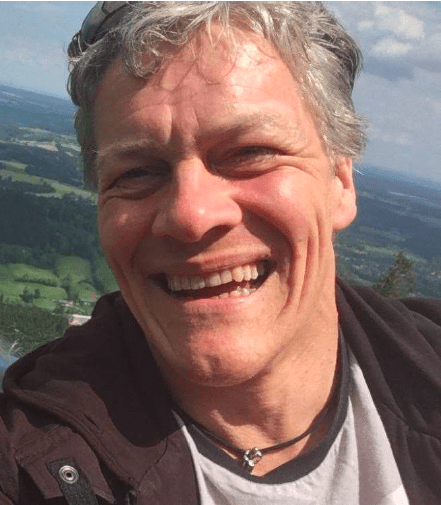
Janek van Heyden
Percussionist and studio musician
TaKeTiNa - Rhythmic body and consciousness work
A step rhythm in the feet initially gives a group of people a stable basic pulse. Further rhythms are built up over this with clapping and voice. The participants move simultaneously on different rhythmic levels.
Falling out and finding your way into the rhythmic flow leads to an effective and fun form of musical and personal learning.
In this complex field of pulsating music, a precise and profound sense of rhythm develops, which accompanies us into everyday life, trust in a sustaining force can grow and the learner begins to feel at home again in the flow of rhythm.
TaKeTiNa is suitable for both amateurs and professional musicians.
TaKeTiNa® according to Reinhard Flatischler is used at universities and in health management, as well as in team training and further education programmes.
 Deutsch
  English (UK)